



Watch this Article in Video Format
Reclaiming Global Cervical Health:
The Critical Synergy of Molecular Screening, Vaccination, and Preventive Diagnostics
Gynaecological health initiatives worldwide recognize cervical cancer as the fourth most common disease among women [1]. Public health systems focus on monitoring and prevention to reduce global disease and improve long-term survival metrics [1].
In the United Kingdom and globally, modern preventative care has shifted toward the early identification of human papillomavirus strains through an HPV test kit and routine Pap smears [2]. Clinicians discuss that cervical changes represent a preventable and treatable condition. When recording Variants with early immunisation programs [1, 3]. Utilising a cervical test allows for early identification, trying to ensure that high-risk changes are caught before symptoms manifest themselves.
Global Surveillance & Prevention Benchmarks
- Primary Prevention: Immunisation Frameworks
-
- Strategy: Widespread administration of the multi-valent HPV vaccine.
- Window: Early adolescence, prior to initial sexual debut and viral exposure.
- Impact: Provides some protection against high-risk genotypes, neutralising drivers of tissue changes.
- Secondary Prevention: Molecular Screening Arrays
-
- Core Strategy: HPV DNA Variant testing and if needed a cervical check.
- Window: Commencing in early adulthood (ages 20–25) with structured recall intervals.
- Impact: Identifies the cellular presence of persistent oncogenic strains years before a physical lesion manifests.
- Intervention: Lesion Management
-
- Strategy: Targeted removal of high-grade dysplastic epithelial layers via outpatient colposcopy.
- Window: Immediate confirmation of persistent high-risk strains or severe cellular shifts.
- Impact: Halts the biological progression from tissue dysplasia to active malignancy.
1. The Biological Link Between HPV and Cervical Tissue Malignancies
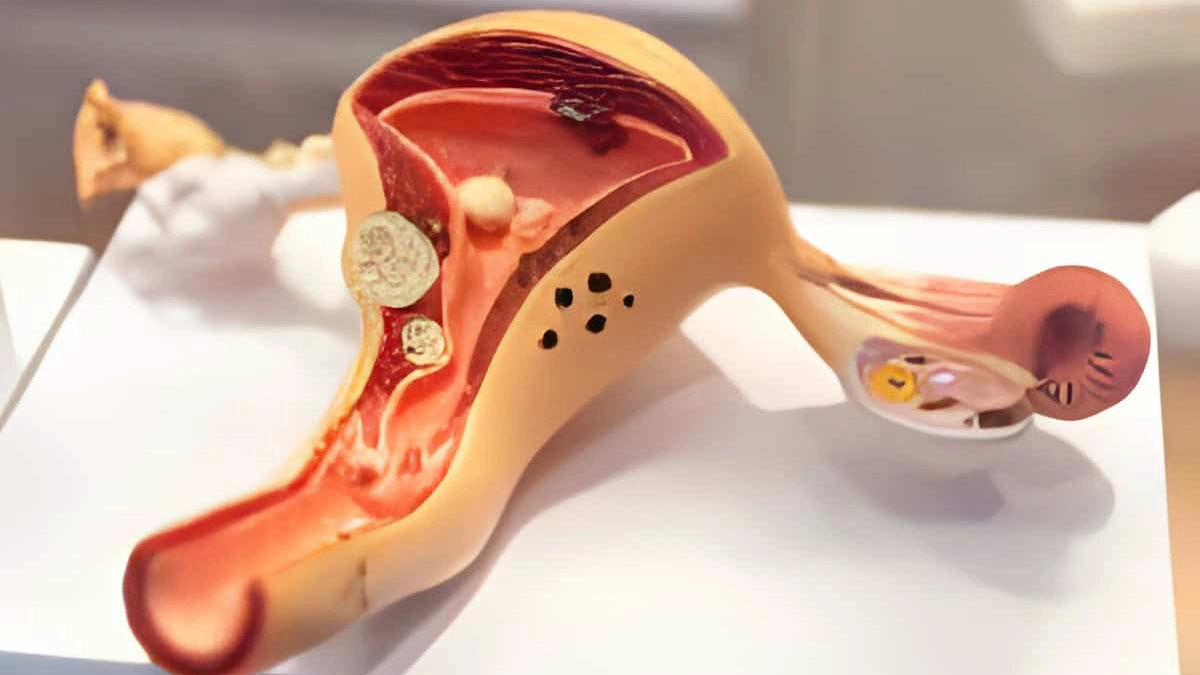
The physiological transition from good cervical health to an active disease is mapped to viral persistence. The cervix—the specialised transitional zone connecting the uterine cavity to the vagina—is highly susceptible to cell changing pathogens. Clinical research demonstrates that virtually 99% of all documented cervical malignancies are directly caused by persistent, high-risk Human Papillomavirus (HPV) strains [1].
HPV represents an exceptionally common family of double-stranded DNA viruses transmitted through intimate skin-to-skin contact. While a vast majority of transient infections are successfully cleared by natural immune defences within 12 to 24 months without causing long-term symptoms, a subset of patients face a chronic, persistent infection.
When high-risk viral strains (such as HPV 16 and 18) evade immune clearance, they integrate their viral DNA into the host epithelial cells. Over an extended multi-year timeline, this persistent cellular integration disrupts normal tissue repair cycles, promoting the growth of abnormal cell lineages. Arranging an accurate hpv check profile is the definitive way to map out this risk, as these high-risk lineages can gradually transform into a severe malignancy if left unmonitored by a practitioner [3, 4].
2. Occupational Health and Public Safety Responsibilities for Adult London Performers
When analysing high risk viral transmission dynamics, integrating occupational health realities is essential. For high-contact elite london escorts, consumers, professionals and other VIP Escort and adult performers, maintaining rigorous personal screening standards goes beyond personal wellbeing—it is a vital matter of public safety. Because adult entertainment professionals operate within interconnected, high class London escort contact networks, they hold an essential occupational responsibility to prevent the hidden spread of oncogenic pathogens to co-performers and the wider community [3].
Fulfilling this responsibility to public safety requires strict adherence to an advanced diagnostic framework:
- Vigilant Diagnostic Routine: Since high-risk mucosal strains of HPV are entirely asymptomatic and do not cause physical warts, performers cannot rely on visual self-examinations or partner checks. Performers must remain highly vigilant, incorporating regular, high-performance molecular hpv profiles into their routine testing rotations.
- Proactive Network Protection: Adult performers must understand that a high viral load of an oncogenic strain can be passed even when barrier contraception is used, due to skin-to-skin micro-friction. Knowing your status through an accurate cervical report allows for transparent disclosure and responsible scheduling choices, effectively breaking the chain of transmission.
- Rigorous Clinical Clearing: If abnormal cytology or a persistent high-risk strain is identified, immediate professional medical care is required. Performers have a responsibility to pause professional activities and work directly with a specialist until a clear, validated molecular resolution is documented, ensuring total compliance with occupational safety and corporate public health codes [2, 3].
3. The Global Framework: Evaluating the WHO Strategy
The global burden of cervical disease highlights a stark disparity in healthcare equity. Historically, approximately 570,000 women were diagnosed annually worldwide, resulting in over 311,000 deaths. The toughest impact of this disease is borne by individuals in low- and middle-income nations who lack immediate access to systemic screening networks and early intervention programs [1].
To eliminate this health inequality, the World Health Organisation (WHO) initiated a coordinated global call to action. The international framework establishes, measurable performance targets for the 2020–2030 decade to accelerate elimination:
- The 90% Immunisation Target: Ensuring that the vast majority of girls receive full protective vaccination courses by age 15.
- The 70% Screening Baseline: Guaranteeing that women worldwide are screened using a high-performance cervical cancer test at least twice within their prime reproductive years.
- The 90% Treatment Standard: Ensuring that individuals flagged with pre-cancerous lesions or invasive tissue changes receive immediate, advanced urogenital care and clinical management.
4. Advanced Molecular DNA Testing: The Key to Early Detection
5. Comprehensive Co-Infection Screening and Long-Term Tissue Health
Medical References & Supporting Data
-
- World Health Organization (WHO): Human Papillomavirus (HPV) and Cervical Cancer Fact Sheet
- NHS England: Cervical Screening Programme Overview and Guidelines
- British Association for Sexual Health and HIV (BASHH): National Guidelines for Gynaecological Microenvironmental Screening and Swab Integration
- National Cancer Institute (NCI): HPV and Cervical Cancer Screening, Prevention, and Biomarker Guidelines
- National Institutes of Health (NIH): Risk Factors for Persistent Infection of High-Risk HPV and Vaginal Microbiome Dynamics
To confirm the kit components are MHRA Registered please click here
Strict Health Education and STI Compliance Policy:
- PalaceVIP Girls are Health Checked by Laboratory Medicines Online under a home kit testing Regime. COVID Checked in 2020 and now STD and HPV Test kit Checked in Compliance STD Testing for Adult Industry In 2026/27
- Using Guidance published by UKHSA & BASHH Testing Guidance for Escorts