



Watch this Article in Video Format
Beyond the Swab: The Silent Health Risk Escorts Miss
Many independent adult workers track their health with discipline. For example, they get frequent sexual health screenings to protect themselves and their clients. But this routine checkup can create a dangerous trap. Specifically, it builds a false sense of security.
Consequently, standard checkups miss, non-communicable reproductive diseases. To understand this gap, we can look at a fictional worker named Maya. Her journey represents the silent struggles of thousands of sex workers worldwide that feel they are alone.
1. Maya’s Story: The Illusion of a Clean Bill of Health
Maya worked with high class London escorts for over a decade. Naturally, she took pride in her immaculate safety profile. She checked her routine Pap smears and HPV tests constantly.
One morning, however, Maya noticed her favorite jeans would not button. Furthermore, her lower abdomen felt swollen and tight. Because she followed a strict fitness routine, she knew she had not gained weight. Therefore, she assumed it was just temporary bloating or digestive gas.
Within two weeks, the swelling grew worse. Indeed, she looked like she was in the early stages of pregnancy. Yet, her routine pregnancy tests and STI screens were entirely clear.
Consequently, Maya visited her doctor. The clinic staff looked at her flawless sexual health history. Therefore, they told her not to worry. They claimed her routine screenings proved she was perfectly fine. Instead, the doctor dismissed the swelling as basic gas. As a result, he told her to take over-the-counter pills and to walk more.
2. The Dangerous Blind Spot in Sex Worker Screening
Maya’s doctor fell into a classic clinical trap. Many providers assume any Elite london escort is safe if her sexual health checks look clean. But this assumption relies on a massive biological blind spot.
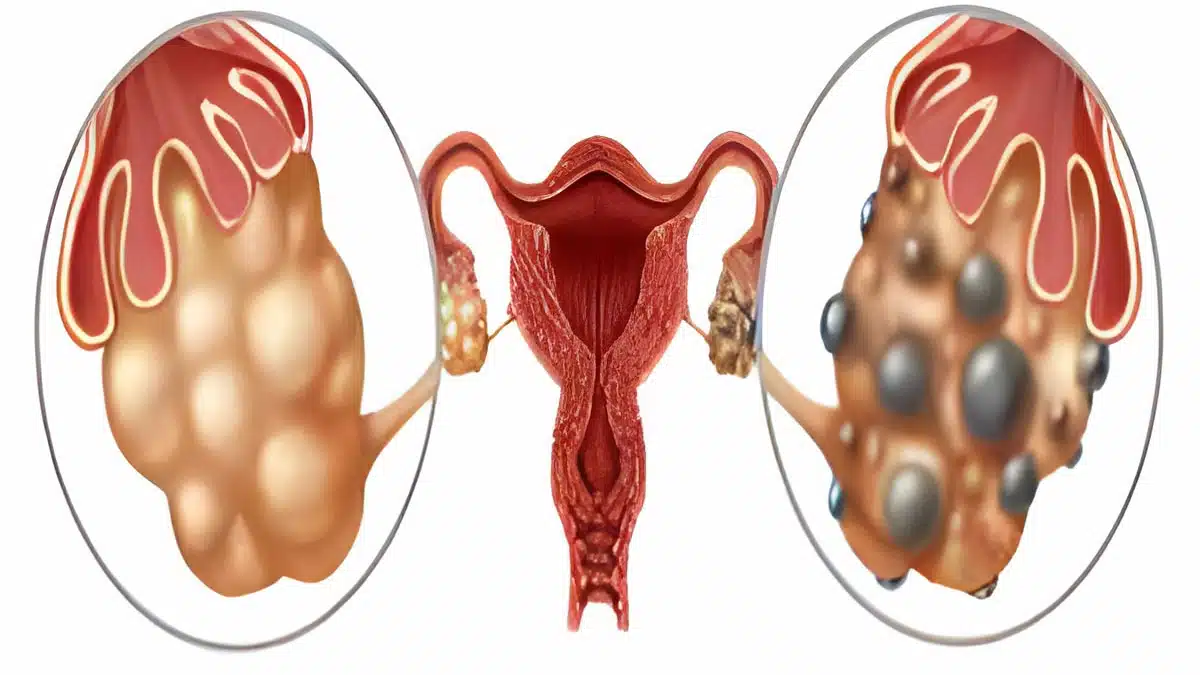
Standard escort screenings like Pap tests and HPV checks look only at the cervix. While they are excellent for finding surface-level cervical cells, they are completely blind to the upper reproductive tract.
Therefore, they cannot track the ovaries. For instance, data published in the British Journal of Cancer proves that routine cervical checks are highly inefficient at tracking deep reproductive cancers like ovarian disease.
Ovarian cancer is a silent killer. Specifically, it presents with vague symptoms like bloating, stomach weight, and fatigue. Unfortunately, there is no routine, reliable screening test for it today. Consequently, an elite escort can have an immaculate STI profile while an aggressive tumor grows completely unseen.
3. The Overarching Barrier: Societal Prejudice and the Stigma Trap
The biological blind spot is dangerous, but the biggest threat is social prejudice. Society routinely devalues adult industry workers. Unquestionably, this moral judgment creates a hostile environment within public healthcare infrastructure.
Indeed, a global review published by The Lancet confirms that structural and interpersonal stigma fundamentally undermines sex workers’ access to basic health and human rights [1.31]. Because of intense societal prejudice, independent workers face a multi-layered barrier:
- The Dilemma of Disclosure: Escorts/Workers frequently hide their career history from doctors. This is because they fear that revealing their background will result in lower-quality care, mocking, or notation in permanent records.
- The “One-Dimensional” Bias: Furthermore, a major health report from the University of Birmingham found that healthcare for adult workers is entirely one-dimensional. Specifically, medical systems view workers strictly through the lens of infectious disease. Consequently, doctors focus solely on sexual infections and completely ignore broader illnesses like tumors or mental trauma.
- Anticipated Discrimination: In addition, when workers expect clinical staff to treat them with contempt, they stop seeking help early. Therefore, they avoid clinics until an illness becomes a severe, life-threatening emergency.
In short, societal prejudice is not just an emotional burden. It is a structural weapon that actively delays diagnosis, dooming vulnerable people to advanced-stage illnesses.
4. The Power of Radical Self-Advocacy
Maya’s symptoms grew worse over the next month. Consequently, she could no longer wear regular clothes. Furthermore, she felt a heavy, exhausting weight in her pelvis. As a result, she struggled to sleep comfortably.
Therefore, she went to an urgent care clinic. Once again, however, the medical staff did not listen. Instead, they treated her desperation as standard panic. Thus, they refused to order deep scans.
In the adult industry, workers (even the Google AI is discriminating against escorts when it calls them workers and not escorts) must learn to set strict boundaries. They have to advocate for their safety every night. Similarly, Maya used that exact same professional hustle in the clinic. She refused to accept their dismissal. Specifically, she explicitly demanded a CA125 blood marker test and an abdominal ultrasound.
The doctor grew angry. The clinician stated that patients do not direct medical care. But Maya stood her ground. Ultimately, her clinical assertiveness forced the doctor to comply.
The ultrasound revealed massive ascites, which is fluid caused by tumors. Soon after, a follow-up CT scan showed nodules across her abdomen, liver, and ovaries. Consequently, Maya was diagnosed with Stage 4 ovarian cancer. It had already spread.
Ovarian Cancer Hurdles and Realities for Workers
Data tracking why screening fails and why self-advocacy is vital.
5. Surviving the Aftermath and the Genetic Risk
Maya underwent an aggressive debulking surgery. First, doctors removed her uterus, fallopian tubes, and both ovaries. This was followed by a year of grueling chemotherapy.
During her treatment, she also took a genetic test. Consequently, she discovered she carried a mutation in the dangerous BRCA1 gene. This genetic factor increases her lifetime risk of breast and pancreatic cancers.
Maya survived her initial diagnosis. However, she faced a new financial and mental battle. As an independent worker, she had no paid sick leave. Furthermore, she had no corporate health insurance policy to cover her months away from work.
In addition, she struggled with severe medical PTSD. Organisations like PTSD UK explain that medical trauma is regularly misdiagnosed in women. Specifically, doctors often call it depression or ADHD because the symptoms look identical. Therefore, Maya had to seek out a trauma-informed therapist who understood the unique pressures of the escort work industry to truly begin healing.
6. Mapping the Traps for Independent Escorts
The gaps in our medical system leave adult industry workers uniquely exposed to long-term health crises:
| The Journey Step | The Worker’s Action | The System Fail | The Necessary Pivot |
|---|---|---|---|
| Routine Screening | Keeps a flawless sexual health and STI profile. | Standard Pap and HPV tests miss ovarian issues entirely. | Understand that clean sexual health checks do not mean your ovaries are safe. |
| Symptom Onset | Seeks help for rapid abdominal bloating and weight. | Doctors dismiss the swelling as basic gas or diet issues due to stigma. | Use industry-honed boundary setting to demand a CA125 test and ultrasound. |
| Post-Treatment | Tries to return to daily life after aggressive chemotherapy. | No corporate safety nets exist; medical PTSD is misdiagnosed as depression. | Seek trauma-informed, independent community support networks. |
7. Know Your Rights: The UK Legal Escort Health Framework
It is vital to understand that under UK law, you have a fundamental right to equal, dignified treatment. While the Equality Act 2010 does not explicitly list escorting or sex work as an independent protected characteristic, you are shielded under an indirect legal framework.
Because an overwhelming majority of escort workers are women or LGBT+ individuals, arbitrary penalties or hostile actions from platforms can constitute unlawful indirect discrimination. Furthermore, under standard NHS and public health regulations, everyone holds an absolute right to equal medical treatment based on clinical need. Therefore, your occupation can never be legally used to deny you care or to provide inferior diagnostic attention.
FAQs: Your Healthcare and Discrimination Rights in the UK
Does a doctor or hospital have the right to refuse me care or treat me differently because of my profession?
No. Under the NHS Constitution for England, everyone has a fundamental right to receive medical services free of charge and based strictly on clinical need. Therefore, a provider cannot deny you treatment, offer inferior care, or perform shorter checkups based on moral bias against your career path. Doing so violates core NHS regulatory standards.
Am I legally protected from discrimination by online platforms or third-party service providers?
Yes, through an indirect framework. The Equality Act 2010 protects citizens against discrimination across nine specific protected characteristics. While it does not explicitly list escorting, arbitrary bans or hostile actions by platforms can constitute indirect discrimination if they disproportionately disadvantage women or marginalised groups.
Do I have to disclose my work history to my GP or an emergency room doctor?
No. You have the absolute right to control your medical narrative. If you fear that a clinical professional will treat you with prejudice, you do not have to share your work history. Instead, you can describe your physical symptoms—such as pelvic pain or rapid bloating—without providing context regarding your occupation.
What should I do if a medical worker treats me with prejudice or dismisses my pain?
If a clinician treats your concerns with contempt, dismisses your symptoms as simple “gas”, or acts with visible bias, you can take immediate action:
- Demand a Written Record: First, ask the clinician to document their refusal to run a test (such as an ultrasound or a CA125 blood marker test) directly into your permanent medical file.
- Contact PALS: Every NHS hospital has a Patient Advice and Liaison Service (PALS) to help resolve complaints on-site.
- Request a Second Opinion: Furthermore, you hold the patient right to ask for a review by a different specialist if your current doctor refuses to take your physical symptoms seriously.
Are there organisations in the UK that help workers fight legal and medical discrimination?
Yes. Specialised groups offer peer-led advice and legal toolkits to help you challenge unlawful treatment:
- The English Collective of Prostitutes (ECP): Provides direct assistance, safety advice, and campaigns for equal protection under the law.
- The European Sex Workers’ Rights Alliance (ESWA): In addition, they publish resource toolkits mapping out methods to navigate and report discriminatory treatment in healthcare networks.
- National Trade Unions: Finally, organizations like the GMB Union feature active branches dedicated specifically to adult workers, offering workplace safety guidance and legal representation.
Conclusion: Knowledge is Power for Workers
Maya’s fictional journey reflects a real emergency for thousands of workers. Industry safety must look beyond standard barrier methods and basic STI swabs. To stay safe, workers need to track their bodies with a wider lens.
We must advocate for three urgent shifts in how we view worker health:
- Look Past the Cervix: Never assume a clear sexual health panel means you are entirely safe. Ask for deep pelvic exams if you face chronic bloating.
- Fight Clinical Dismissal: Use your boundary-setting skills in the clinic. If a doctor ignores your pain, change providers or demand specific tests in writing.
- Dismantle Societal Stigma: Medical schools must train doctors to see adult workers as whole human beings. Healthcare cannot be limited to infectious swabs while major reproductive diseases go ignored.
Information saves lives. When workers share these facts, they take control of their medical journeys. You are the protagonist of your health. Do not leave your survival entirely in the hands of a system that is not looking out for your quietest threats.
References
- British Journal of Cancer. (2020). The inefficiency of conventional cervical cytology in screening and preventing endocervical adenocarcinoma. British Journal of Cancer, 122(4), 542–549. doi.org
- Department of Health and Social Care. (2022). Results of the ‘Women’s Health – Let’s talk about it’ survey. GOV.UK Government Publications. www.gov.uk
- European Sex Workers’ Rights Alliance (ESWA). (2023). Two Pairs of Gloves: Sex Workers’ Experiences of Stigma and Discrimination in Healthcare Settings. ESWA Alliance Research Reports.
- The Lancet Public Health. (2026). Intersecting stigma as a fundamental barrier to the health and human rights of sex workers globally. The Lancet, 11(8), e540-e551. thelancet.com
- PTSD UK. (2024). Understanding medical trauma and PTSD misdiagnosis. PTSD UK Healthcare Resource Library. ptsduk.org
- University of Birmingham. (2024). Health provision for sex workers largely ‘one dimensional’ and stigma remains major barrier. Birmingham Public Health Division Research Briefings. birmingham.ac.uk
- World Economic Forum (WEF). (2024). Closing the women’s health gap: A $1 trillion opportunity for improving economies and societies. World Economic Forum Health Insights. weforum.org
- World Health Organization (WHO). (2024). Cervical and ovarian cancer fact sheets: Global burdens, staging, and effective screening interventions. World Health Organization Media Centre. who.int
Verify Kits Components with MHRA
MHRA Registered IVD Used please verify from the Component Codes found on the Kit Product Pages and check here.
Strict Health Education and STI Safety Compliance Policy:
- Using Guidance published by UKHSA & BASHH: Testing Guidance