



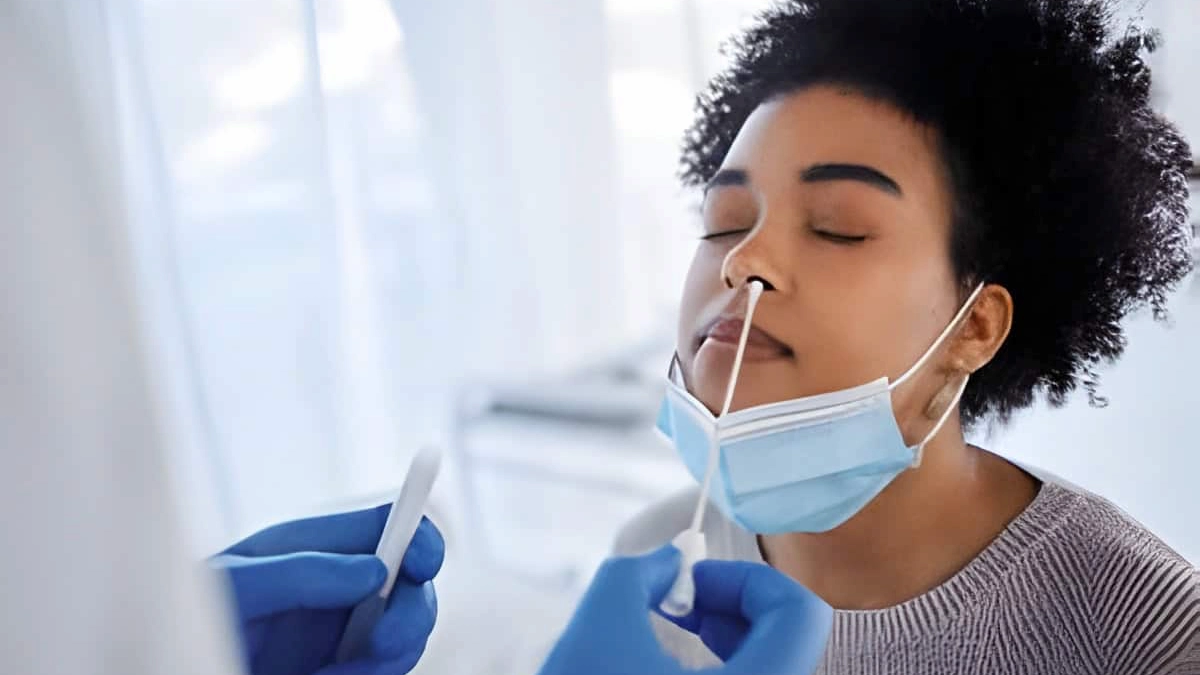
Watch this Article in Video Format
And Navigating SARS-CoV-2:
A Comparison of Molecular (PCR) and Antibody Testing Methods
Since the onset of global respiratory surveillance cycles, establishing precise diagnostic methods has been the cornerstone of tracking, managing, and mitigating viral spread [WHO 2023]. When considering testing options for respiratory pathogens like SARS-CoV-2, we categorise diagnostic tools into two primary screening frameworks. Viral testing and blood antibody testing [WHO 2023].
Understanding the process, sample collection targets, and testing windows of these methods is vital. It allows individuals to verify active infections. And make safe, informed choices regarding daily activities, workplace attendance, and travel [WHO 2023].
Comparative Evaluation of Core Diagnostic Method
- Molecular Methods (NAAT / RT-PCR)
- Primary Sample Type: Swabs
- Target Entity: Active viral RNA fragments.
- Optimal Window: Immediate onset of symptoms.
- Core Objective: Confirms whether an individual has a current, active infection.
- Also Laboratory Instrument: PCR (such as Bioer PCR instruments).
- Serological Methods (Antibody Testing)
- And Primary Sample Type: Whole blood, serum, or plasma samples obtained via venepuncture or finger-prick.
- Target Entity: Immune proteins (IgM/IgG antibodies).
- Optimal Clinical Window: Typically 1 to 2 weeks following initial exposure.
- Core Diagnostic Objective: Checks historical infection or immune response to vaccination; does not diagnose active infection.
1. Molecular Testing: (NAAT)
And for PCR testing? Frequently referred to as Nucleic Acid Amplification Testing (NAAT) or RT-PCR—remains the absolute gold standard for diagnosing a viral infection [WHO 2023]. Because SARS-CoV-2 is fundamentally a respiratory pathogen, these diagnostic kits require samples directly from the upper or lower respiratory tract, utilising swabs saliva.
The laboratory process follows a biochemical sequence:
- Extraction: The viral RNA is collected sample from the sample.
- Conversion: The viral RNA is converted into DNA using specific enzymes.
- Amplification: The target DNA is mixed with specific primers and amplified over multiple thermal cycles, utilising fluorescent probes to detect characteristic genetic signatures unique to the pathogen’s genome.
Because NAAT protocols are exceptionally sensitive and specific, they can isolate tiny fractions of viral genetic material, confirming a positive diagnosis even if the patient is entirely asymptomatic.
2. Advanced Laboratory Instrumentation: Bioer PCR Technology
The baseline analytical accuracy of any molecular test depends heavily on the technology running behind the scenes in the laboratory [NIH 2025]. To eliminate the risk of false-negative data and ensure the highest tier of diagnostic precision, modern private screening frameworks utilise advanced, automated instrumentation [NIH 2025].
It was an approved COVID provider Medicines Online uses PCR instruments from Bioer Technology. Specifically, the facility has utilised the Bioer QuantGene 9600 real-time PCR detection system for more than five years, providing continuous high-throughput genetic amplification across multi-year surveillance cycles. Medicines Online tested 250,000 COVID PCR tests and was approved by UKAS and MHRA to run COVID as a provider. 250,000 uk customers cant be wrong about it. And there is screen shot evidence that this is the truth.
Medicines Online Approved COVID PCR Laboratory in 2020 documented evidence.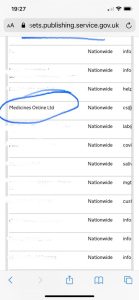
Laboratory techniques are deployed to cleanly extract the viral genetic material. This extracted material is then transferred to the PCR for amplification.
This PCR validated and registered, by MHRA and UKHSA. By using a semi automated temperature regulation system. The PCR instrument is well suited and one of the leading models in the world being the flagship product in the range.
3. Expanded Uses for STI and HPV
Beyond COVID, the diagnostic needs of modern laboratories allows for multi tasking into other areas of screening. The same Bioer QuantGene 9600 real-time PCR platforms are used to run panels for Sexually Transmitted Infections (STIs) and Human Papillomavirus (HPV) variants [BASHH 2024].
Ideal of infections such as Mycoplasma, Chlamydia, and HPV strains 16 and 18. PCR amplification provides a diagnosis by targeting the specific DNA or RNA of multiple pathogens from a single patient sample [BASHH 2024].
Operational PCR Throughput and Daily Volume Capacity
To meet the demands of screening and private turnaround, the laboratory uses a PCR.
- The 96-Well: The instrument is a standard 96-well micro plate block layout, allowing it to process up to 96 individual patient samples during a single operational cycle.
- Rapid Amplification Cycles: However a standard real-time PCR amplification run typically requires between 1.5 to 2 hours to complete its cycle.
- Daily Processing Capacity: Operating continuously across a standard 12-to-24-hour laboratory shift schedule. Also a single unit possesses the capacity to make 6 to 10 full runs per day. This translates to a volume of 576 to 960 diagnostic tests per machine every 24 hours. Conservative work loads would actually ocurr.
This processing allows screening in batches for STI profiles, and HPV reports.
4. Serological (Blood) Testing:
Exams search for active pieces of the virus. Antibody testing checks your body’s immune system. And how it has reacted to a past infection or vaccination. Your tissues external material known as antigens. And your immune system creates antibodies to help neutralise the invaders.
Further more, profiles rely entirely on blood analysis. The method combines SARS-CoV-2. And specific antigens with the patient’s blood sample. If antibodies are present, they bind tightly to the target antigens.
The Structural Limitations of Serology
Guidelines tracked by the Centres for Disease Control and Prevention (CDC). It typically takes the human body 1 to 2 weeks after the onset of symptoms to generate antibodies.
If a patient takes a PCR Exam profile too early during an infection? Therefore the test will return a false negative. This is because the immune response hasn’t had sufficient time to build. And it provides data, allowing patients to track the spread of a disease through communities.
Making Informed Testing Choices
So, choosing the correct test depends entirely on your options [WHO 2023]. But do you have symptoms, planning travel? Use the PCR HPV test kit run on the Bioer 9600. [UKHSA 2025].
Medical References & Supporting Data
- World Health Organisation (WHO):Diagnostic Testing Guidance and Surveillance Standards for Viral Pathogens.
- Centers for Disease Control and Prevention (CDC): Also an overview of Testing (NAATs) Viruses.
- UK Health Security Agency (UKHSA) & MHRA: And the COVID-19 Validation
- Bioer Technology: PCR Testing and QuantgeneGene 9600
- British Association for Sexual Health and HIV (BASHH):National Standards